Bulk Trucking Explained: Essential Services and Their Role in Logistics
Bulk hauling has a major function in the field of logistics. It includes vital services such as liquid bulk transportation and dry bulk transportation. Illinois top rated Bulk Trucking. Their purpose is to increase supply chain effectiveness, cut down on costs, and make sure deliveries are prompt. But, the involved processes necessary in bulk trucking prompt discussions regarding safety, equipment, and what the future holds. Knowing these factors yields useful perspectives on how logistics can succeed and adapt in a fast-paced environment
The Importance of Bulk Trucking in Supply Chain Management
Efficiency is a cornerstone of contemporary supply chain operations, and bulk trucking is vital in enhancing this efficiency. Bulk transport enables the transportation of high volumes of products, minimizing required journeys and minimizing fuel consumption. This method of transport allows companies to optimize their logistics, guaranteeing materials arrive at production facilities and products arrive at retail outlets on time. By combining loads, bulk trucking cuts down on operational expenditure and helps improve inventory control. Moreover, it enables JIT delivery systems, which are essential for reducing waste and maintaining production schedules. The ability to transport diverse materials, from unprocessed resources to final products, highlights the significance of bulk trucking in keeping the supply chain fluid. In an increasingly competitive market, the important resource gains in efficiency offered by bulk trucking are essential for firms seeking to improve their operational efficiency and customer satisfaction.
Categories of Bulk Transport Services
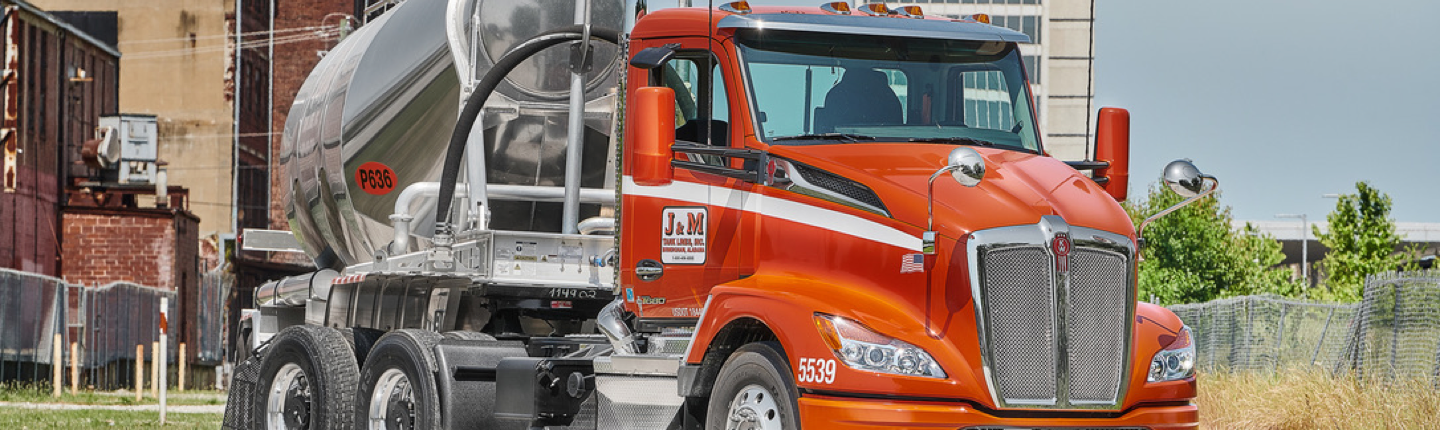
Bulk hauling services are divided primarily into liquid bulk hauling and dry bulk hauling. Each category supports unique sectors and requires specialized equipment and handling processes. Understanding these differences is essential for businesses to efficiently handle their logistics and SCM needs.
Liquid Bulk Hauling
Given the increasing need for various liquid goods, understanding the types of liquid bulk transportation services becomes vital for industries reliant on these materials. Liquid bulk transportation primarily involves the hauling of liquids like chemicals, petroleum, and foodstuffs. Dedicated liquid haulers, equipped with insulated and pressurized systems, are often employed to ensure safe and efficient hauling. Liquid bulk services are divided into several types, including exclusive transport for specific products and general liquid bulk hauling that accommodates multiple liquids. Furthermore, numerous companies provide temperature-controlled transport to maintain the quality of the product. Therefore, selecting the appropriate liquid bulk transportation service is essential for keeping the goods high-quality and adhering to regulatory standards in the field of logistics.
Hauling Dry Materials
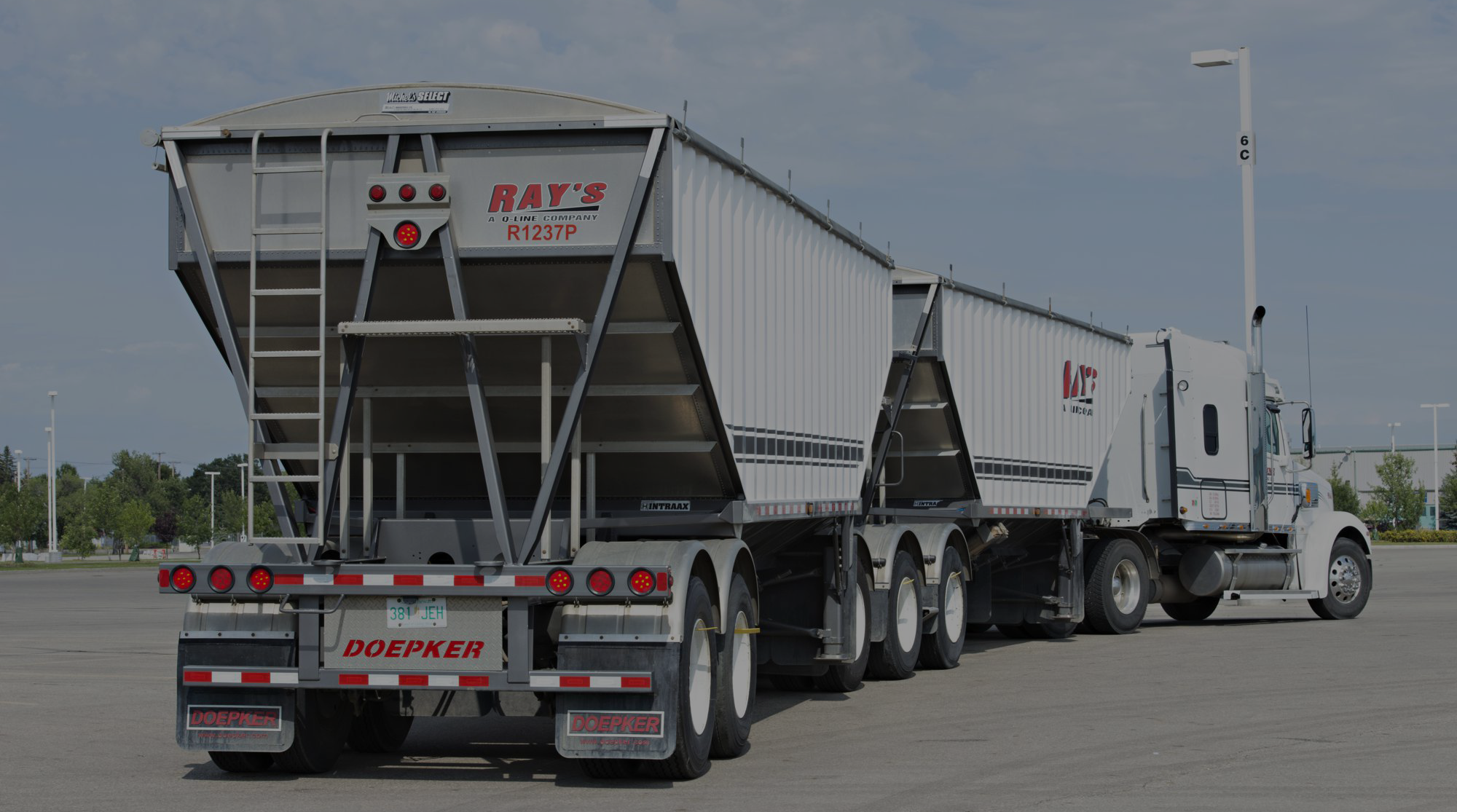
Hauling bulk solids plays an essential role in the transportation of various granular and powdered materials, such as grains, fertilizers, and aggregate construction supplies. This type of transport is usually carried out with specialized vehicles, like pneumatic tankers and dump trucks, built to manage bulk quantities with safety and efficiency. Dry bulk transport is essential for industries like agriculture, construction, and manufacturing, where timely delivery of raw materials can significantly affect output. The planning involved in dry bulk hauling demand thorough preparation to secure the best paths and minimize transit times. Furthermore, operators must comply with safety regulations and best practices to mitigate risks associated with handling and transporting these materials. In summary, dry bulk hauling is an essential part of the broader bulk trucking sector.
Tanker Trucking: Secure and Efficient Liquid Movement
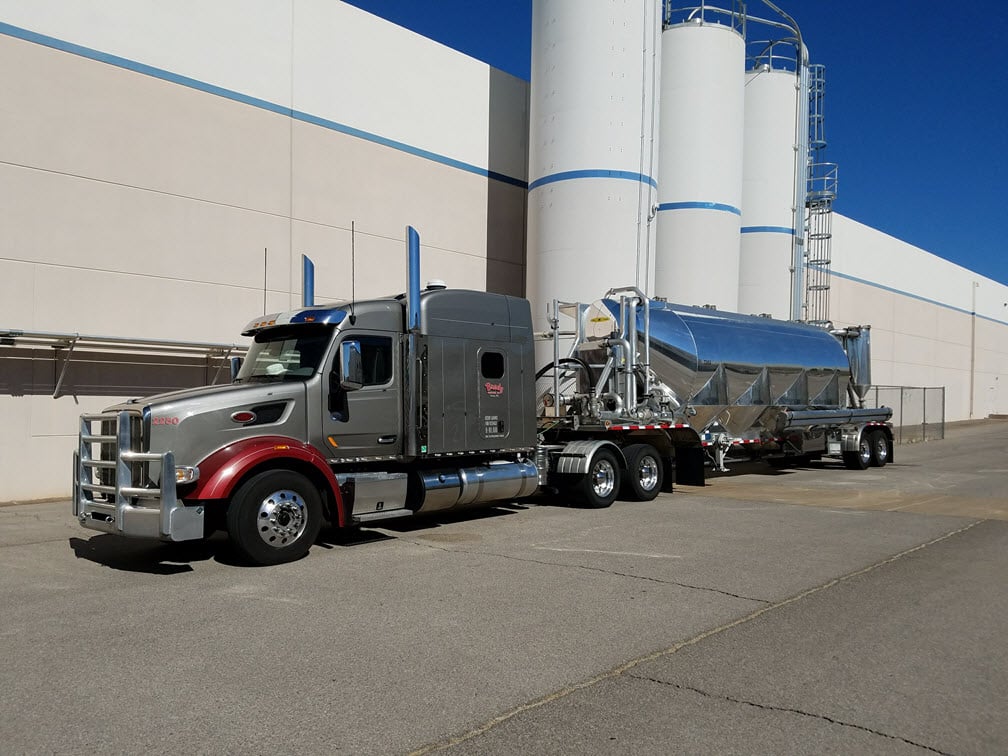
Tanker trucking is vital in the logistics industry by enabling the secure and effective transport of liquid commodities. This dedicated transport method is necessary for moving various liquids, including chemicals, petroleum products, and food-grade liquids. Tanker vehicles feature sophisticated security features to stop spillage and leakage, which are critical for protecting the environment and public health.
The logistics of tanker transport involve meticulous planning, like route selection and adherence to safety regulations. The vehicles employed must meet stringent safety regulations, guaranteeing that the contents are transported securely. Additionally, trained personnel oversee loading and unloading processes to maintain safety and efficiency.
The economic impact of tanker transport is substantial, as it aids multiple sectors by allowing for the prompt supply of essential liquids. Therefore, reliable bulk liquid shipping is essential to keeping the supply chain robust and satisfying customer needs in an interdependent global economy.
Dry Bulk Hauling: Managing Solid Commodities
A significant portion of the logistics industry utilizes dry bulk hauling for the streamlined delivery of solid materials. This method is necessary for shipping goods such as plastics, grains, fertilizers, and minerals. Different from liquid bulk, dry bulk materials require specialized equipment, including pneumatic trailers and walking floor trucks, engineered to ease loading and unloading processes. Careful manipulation of these solid materials is crucial, as poor handling can lead to spillage and contamination, impacting both the environment and supply chain integrity
In addition, dry bulk hauling often involves managing intricate logistical challenges, including scheduling and route design, to guarantee minimal delays. The impact of this service extends beyond mere transportation; it assists diverse sectors, from agriculture to construction, by ensuring materials are available of essential materials - Illinois top rated Bulk Trucking. Therefore, dry bulk hauling is a core element of the larger supply chain system, promoting efficiency and reliability in the supply chain
Bulk Freight Management: Optimizing Processes
Proper administration of bulk freight operations plays a fundamental role in optimizing logistics and ensuring timely delivery of goods. This involves managing several components, such as handling, storage, and transport of bulk materials. Effective strategies include route optimization, which minimizes transit times and lowers expenditure on fuel. In addition, implementing technology for tracking shipments improves transparency and enables immediate modifications.
Stakeholder cooperation is vital; producers, carriers, and receivers must communicate effectively to align schedules and expectations. Using dedicated gear, like bulk tankers or pneumatic trailers, further streamlines handling processes, cutting down on transit times.
Inventory management is also critical, as reliable forecasting ensures maintain the right stock levels and prevents delays. By adopting these strategies, companies can markedly improve their bulk freight operations, which generates financial benefits and greater client happiness. Taking a comprehensive view to freight management is essential for preserving competitive advantage in the logistics sector.
The Future of Bulk Hauling in Logistics
As technological advancements continue to shape the logistics landscape, bulk trucking's future offers significant potential for enhanced efficiency and sustainability. Illinois top rated Bulk Trucking. Developations including autonomous vehicles and cutting-edge route optimization software are ready to overhaul operational procedures. They are capable of cutting down on fuel consumption, lower running expenses, and enhance timeliness of deliveries, which in turn strengthens the market position of bulk trucking
Furthermore, the integration of data analytics and the Internet of Things (IoT) makes possible the live monitoring of deliveries, enhancing transparency for clients and optimizing stock control. With environmental rules becoming stricter, the adoption of alternative fuel sources, such as electric and hydrogen-powered trucks, is set to become widespread, fostering a more environmentally friendly logistics network
Finally, the bulk hauling sector will be marked by dedication to performance, sustainability, and technology-driven solutions, establishing it as a crucial element within modern logistics networks
Commonly Asked Questions
What is the Ecological Footprint of Bulk Trucking
Bulk hauling affects the environment through the emission of GHGs, acoustic contamination, and possible deterioration of roadways. Moreover, hauling dense materials has the potential to cause soil degradation and higher levels of energy use, impacting regional ecosystems and the quality of the air.
In What Ways Do Regulations Influence Bulk Trucking
Rules significantly influence bulk hauling activities through the enforcement of safety requirements, limits on emissions, and weight limits. Adhering to these rules affects running expenses, delivery timelines, and the choice of vehicles, which determines the effectiveness of logistics systems.
What Measures Ensure Safety in Bulk Trucking
Bulk trucking implements safety measures such as frequent vehicle examinations, driver training programs, adherence to weight limits, implementation of safe loading procedures, deploying satellite monitoring systems, and following all federal and state safety rules to minimize risks.
How Should I Go About Picking the Ideal Bulk Trucking Provider
When selecting an appropriate bulk hauling firm, one should evaluate their safety record, industry experience, the capacity of their vehicle fleet, feedback from clients, the rates they charge, and the regions they cover, ensuring alignment with specific transportation needs and meeting regulatory standards for optimal effectiveness.
What Technology Supports Bulk Trucking Operations
Bulk hauling operations utilize technologies like GPS monitoring, programs for optimizing routes, advanced communication systems, and digital record-keeping devices. These systems boost effectiveness, improve communication, and guarantee compliance with regulations, thereby simplifying the hauling procedure.